
Indigenous Offsetters Programme
Our Land.
Our Carbon.
Our Future.
Empowering Indigenous communities and traditional land custodians to participate in the carbon economy through sustainable land management, environmental restoration and high-integrity carbon projects.
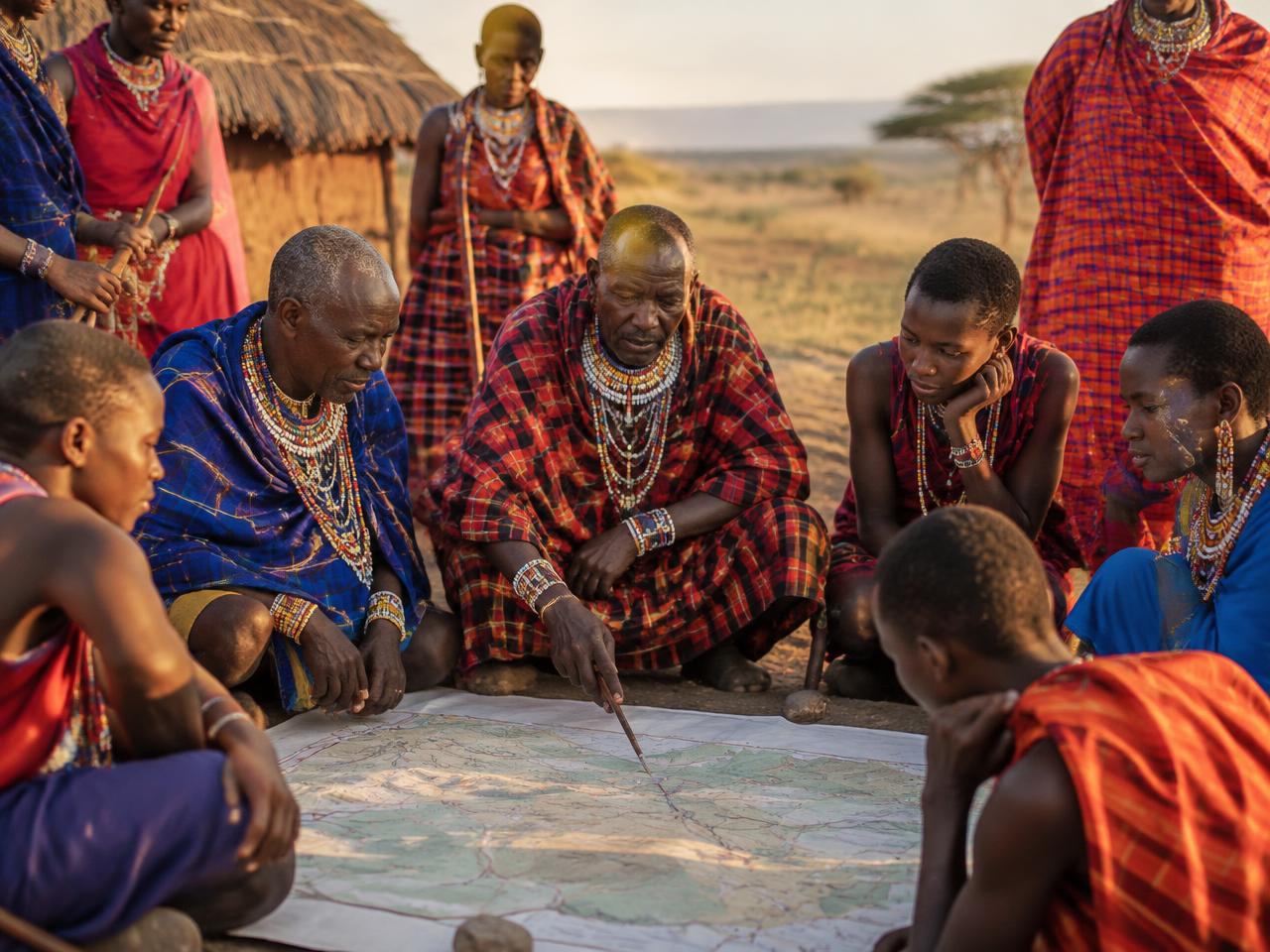
Community-led by design
About the programme
Unlocking the environmental and economic value of Indigenous land.
Indigenous Offsetters is a community-centred carbon project development initiative enabling traditional authorities, communal landholders and Indigenous communities to explore opportunities in environmental markets.
The programme brings together technical project development, community participation, transparent benefit-sharing and environmental stewardship.
Communities should be active participants and beneficiaries — not merely providers of land.
Land & environmental assets
What can your land generate?
Not all activities automatically qualify for carbon credits. Each opportunity requires project-specific feasibility and eligibility assessment.
01
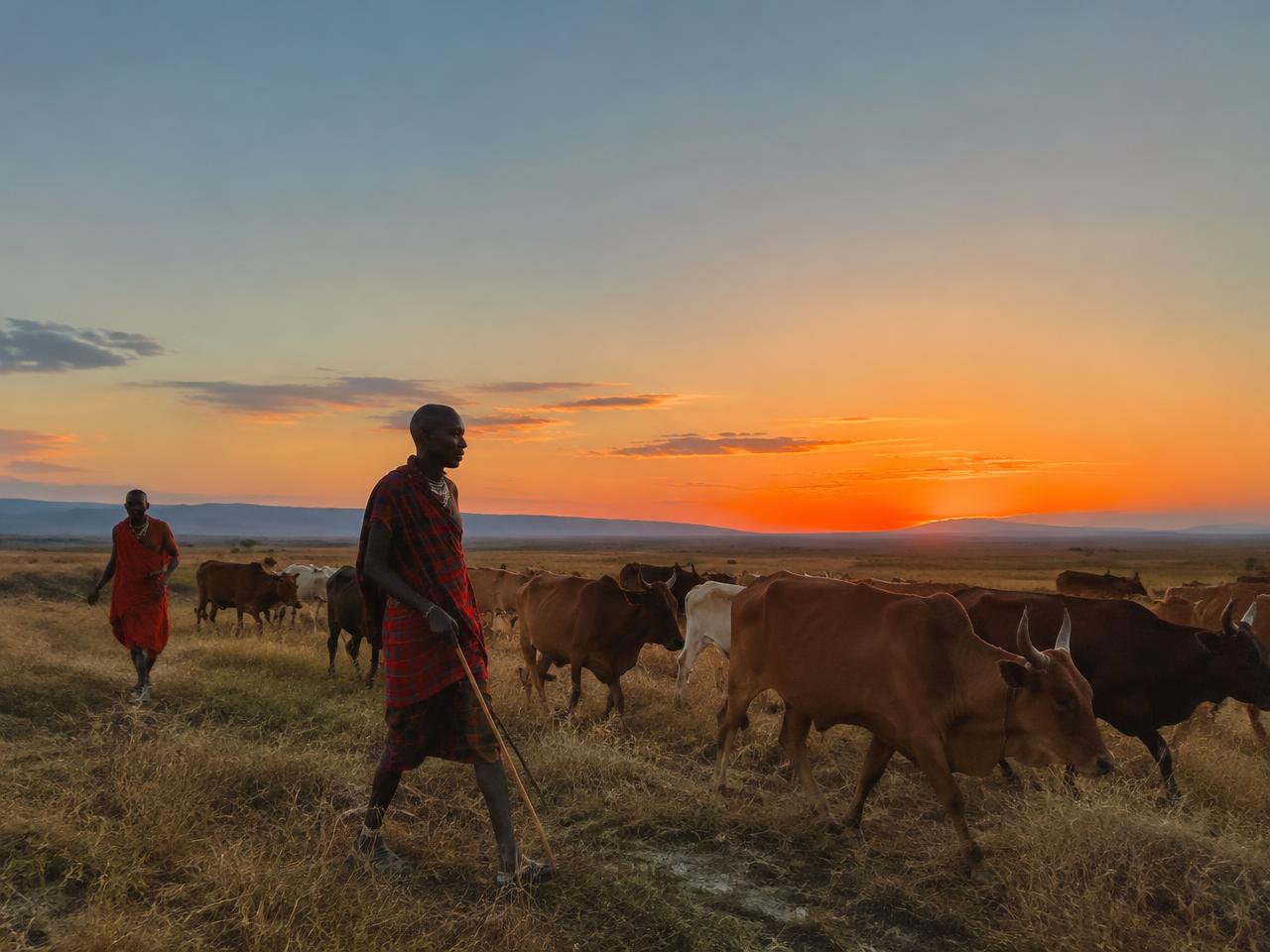
Grassland Carbon Projects
Shared value
How Indigenous communities benefit.
New revenue opportunities
Potential income from verified carbon credits and other environmental services.
Local employment
Jobs in restoration, monitoring, conservation and project operations.
Productive land
Improved soil health, biodiversity and long-term land resilience.
Skills development
Training in carbon accounting, environmental monitoring and project management.
Actual revenue depends on project feasibility, verified outcomes, market demand, costs and agreed benefit-sharing arrangements. Carbon credit issuance, income and investment are not guaranteed.
From interest to impact
How the programme works.
01
Land registration & initial screening
Communities or authorised representatives submit information about their land and its current use.
Who can participate?
Whether you own, govern, manage or invest in land, there is a role for you.
Traditional authorities and royal land custodians
Indigenous and communal landholding communities
Farmers and agricultural cooperatives
Community trusts and landholding associations
Environmental restoration organisations
Project financiers, carbon credit buyers and technical partners
Our commitments
Community rights come first.
01
Land Rights First
Respect legitimate land tenure, customary governance and community decision-making.
02
Free, Prior and Informed Consent
Apply appropriate consent and consultation processes, including FPIC where applicable.
03
Transparent Benefit-Sharing
Establish clear agreements covering costs, responsibilities, revenue allocation and payment reporting.
04
Environmental Integrity
Develop projects using credible methodologies, defensible baselines, independent assurance and safeguards.

Technical & commercial partner
Why Global Offsetters?
Global Offsetters is positioned as the programme’s technical and commercial project development partner, connecting community-led stewardship with the expertise needed to explore credible environmental-market opportunities.
Carbon feasibility assessments & project structuring
Methodology selection & monitoring systems
Reporting & independent verification coordination
Investor engagement & carbon credit market access
Partnerships & investment
Partner with us to scale Indigenous climate action.
We welcome collaboration with development finance institutions, impact investors, corporate carbon credit buyers, research institutions, government agencies and environmental organisations.
Project finance
Technical assistance
Community capacity-building
Carbon credit offtake
Environmental monitoring
Stewardship. Participation. Legacy.
Transforming Indigenous environmental stewardship into sustainable economic participation — protecting community rights, restoring ecosystems and building generational wealth.
Register your land or express interest
Join the Indigenous Offsetters Programme.
Bring your land, your knowledge and your ambition. Start with an expression of interest — as a land custodian, community representative, technical partner, investor or carbon credit buyer.
Registration is the first step towards an assessment, not a commitment to develop a project. Land rights, community participation and transparent agreements remain central throughout.